
Artificial Intelligence, or AI, has revolutionized practically every aspect of our daily life-from personal assistants like Siri and Alexa to self-driving cars and high-level medical diagnosis. While gains from AI cannot be overemphasized, its colossally immense potential and dangers call for cautionary careful consideration and management. In this blog, we look at some key dangers of AI and why society needs to go with caution on this technology.
1. Job Replacement and Economic Turmoil
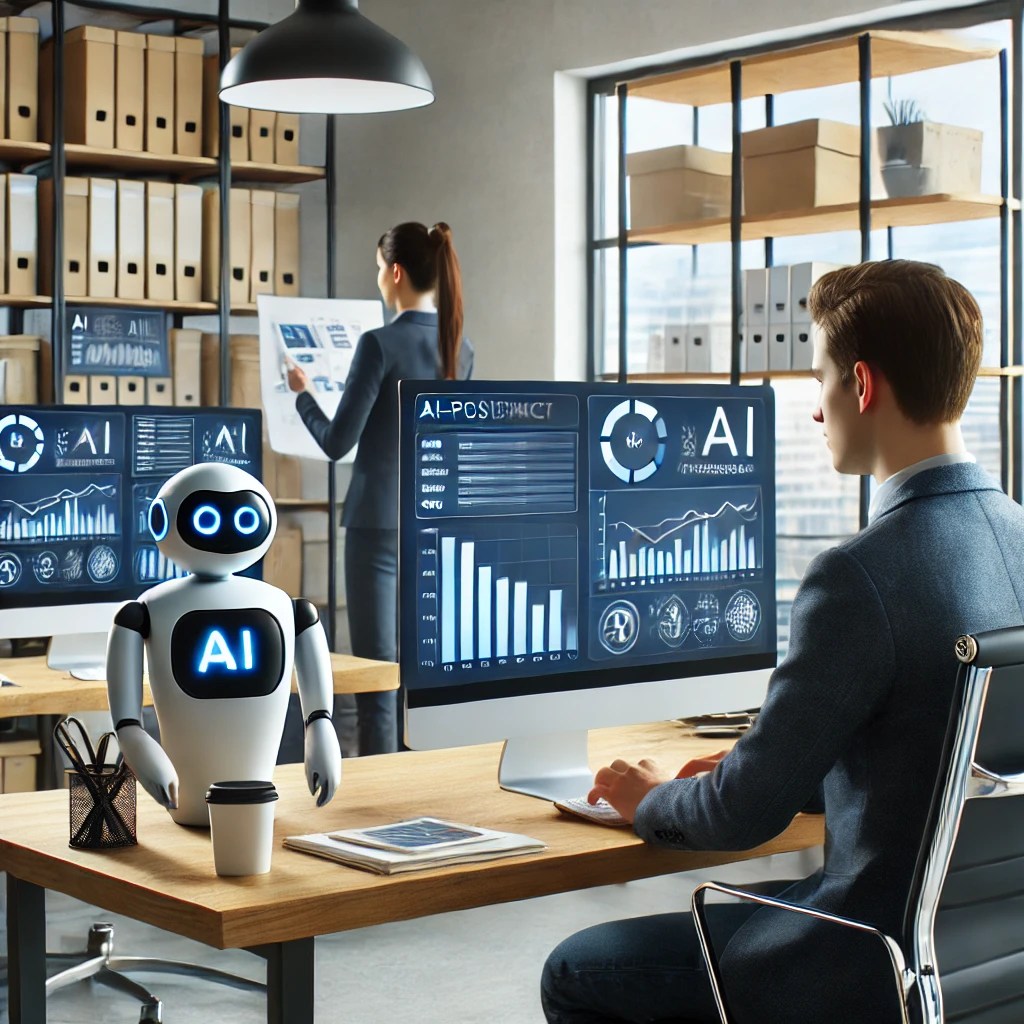
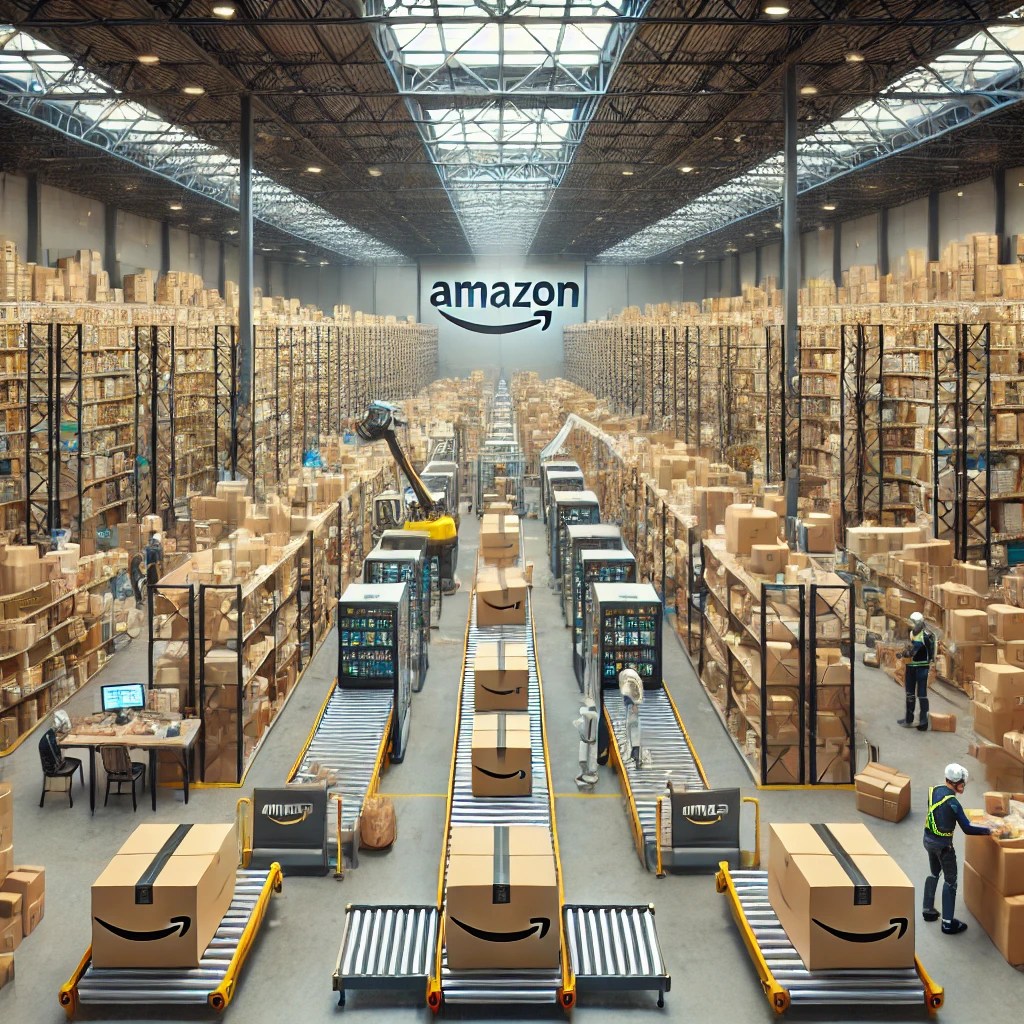
Perhaps one of the most direct risks that could be attached to AI is its replacing jobs. In reality, it could indeed be the case that AI-powered automation substitutes human labor in sectors relating to manufacturing, transport, and even white-collar jobs in areas like data analysis and customer service. It can lead to mass unemployment, particularly in people working in low-skilled or repetitive jobs.
Research by the World Economic Forum estimates that though AI may create new jobs, the rate of displacement might outstrip creation, thus increasing income inequality. Unless workers are prepared for retraining programs or have a social safety net, those who might be replaced could find their ability to function within an AI-driven economy tough.
2. Bias and Discrimination
Most AI systems are usually trained on vast data that may reflect biases from the physical world. When biases go unattended, AI systems can recycle them, at times amplifying discrimination in areas like hiring, policing, and lending. In fact, other facial recognition technologies have demonstrated error rates that are relatively higher than those for people of color.
Also, biased data used to train AI algorithms in hiring might unconsciously favor some demographic groups over others. This might yield outcomes that are unjust in nature, whereby opportunities are reduced in the already marginalized communities, hence perpetuating the existing inequalities across society.
3. Lack of Accountability
AI systems, in particular those incorporating machine learning, can arrive at decisions that cannot be conceived or followed by human beings. In this respect, the “black box” aspect of AI cultivation creates a total lack of transparency and accountability. If an AI system were to make a mistake in identifying a suspect in a criminal investigation, there would be little opportunity to hold either the system or its creators responsible.
This in turn can be highly hazardous when considering high-stake industries in general, including health, finances, and law enforcement due to the fact that AI-driven decisions may have life-altering consequences.
4. Autonomous Weapons and Military Applications
Besides those mentioned above, one of the most frightening threats of AI in practice can be found in autonomous weapon systems. Such systems are generally referred to as “killer robots” that have been pre-programmed in target identification and elimination, sans human intervention. AI-driven warfare raises ethical questions on the role of humans in making decisions and unintended escalation of conflicts.
Greater proliferation for military purposes will lead to an arms race where nations start developing highly advanced AI systems capable of both defense and offense. The lack of regulation at the international level regarding AI’s usage in warfare further amplifies the risks from misuse and other unintended consequences.
5. Privacy and Surveillance
AI-driven surveillance technologies, such as facial recognition and predictive policing, raise severe privacy concerns. These technologies enable governments and corporations to monitor in real time the movement, activities, and even emotions of citizens. While these may be put to good use in the quest for security, they equally threaten individual freedoms and civil liberties hitherto established.
AI-driven surveillance can be used to quench dissent and dominate populations in highly authoritarian regimes. Large-scale collection and analysis of personal data by AI systems also raise a number of concerns pertaining to data privacy and misuse. Conclusion
The risks of AI are manifold, touching base with economic, social, ethical, and political issues. Since AI will continue to evolve, it is important that governments, corporations, and civil society come together to deal with the risks. Regulation, ethics, and transparency will have to be at the center of AI development so that this powerful technology helps humanity without compromising safety, equity, and freedom.

 AI Chronicles
Leave a Reply